Shifting from Fixed to Dynamic: The Progression of Signs
A realm of signage has undergone a notable change, shifting from traditional displays to dynamic digital media that capture attention and engage audiences. In the current fast-paced landscape, retailers, corporations, and service providers increasingly rely on digital signage to convey their information effectively. This transition not only elevates the customer engagement but also increases customer visits and enhances sales in ways older forms of signage simply could not.
As we explore the ever-changing world of digital signage, we will investigate how companies are utilizing this technology to create a interactive and compelling experiences. From determining the right screen luminosity for outdoor displays to understanding the actual return on investment value of digital signage, there are many aspects to ponder. This article aims to highlight the key trends and approaches that are influencing the next phase of signage, showing why transitioning from static to digital is not just a trend but a necessary evolution in how we interact visually.
The Influence of Digital Displays on Retail Success
Digital signage transformed the retail landscape by boosting consumer interaction and increasing customer footfall. The time has come when traditional signs attracted interest; today, colorful digital screens can fluidly present offers, product features, and engaging material that appeal to buyers. This shift allows retailers to create captivating environments that not only draw in clients but also encourage them to investigate the store further, significantly increasing dwell time.
Furthermore, digital signage gives retailers the benefit of real-time content updates, which is crucial in today's fast-paced market. With the possibility to alter advertisements and promotions instantly through content management systems, retailers can adapt to popular trends, seasonal changes, or local events, guaranteeing that their advertising is continuously pertinent. This agility not just boosts profit chances but also nurtures a brand image that is centered around innovation and client understanding.
Furthermore, the success of digital signage in retail is often reflected in tangible metrics. Businesses implementing this technology report substantial increases in turnover and consumer interactions. By leveraging data analytics, retailers can track engagement rates and analyze which messages perform best, allowing them to fine-tune their advertising tactics. As a result, digital signage boosts not only the shopping experience but also delivers substantial economic benefits, establishing itself as a critical tool for retail success.
Selecting the Right Technology for Successful Displays
Choosing the suitable display technology is crucial for enhancing the effectiveness of digital signage. Currently, three key technologies prevail the market: LCD, Organic Light Emitting Diode, and Direct View Light Emitting Diode. LCDs offer superior brightness and color accuracy, making them a trustworthy choice for most retail environments. On the other hand, OLED displays provide superior contrast and rich color reproduction, ideal for premium applications where visual impact is crucial. Direct View LED screens are often considered the optimal choice for big displays due to their capability to create smooth images and great visibility even in direct sunlight.
Luminance is an additional key factor to consider when deploying digital signage, especially in outdoor settings. The process to choose the appropriate screen luminance involves evaluating ambient light conditions and the viewing distance of the display. For areas with direct sunlight or high foot traffic, bright screens are essential to ensure content is readily visible. Flexible brightness settings can also enhance energy efficiency and extend the life of the display, making it an crucial feature to look for when making your selection.
Ultimately, the selection of technology should align with particular use cases and audience engagement goals. Comprehending the environment where the signage will be installed, expected content types, and the intended demographic can assist determine the most suitable technology. By meticulously evaluating these factors, businesses can invest in displays that not only fulfill their current needs but also change as their digital signage plan evolves over time. 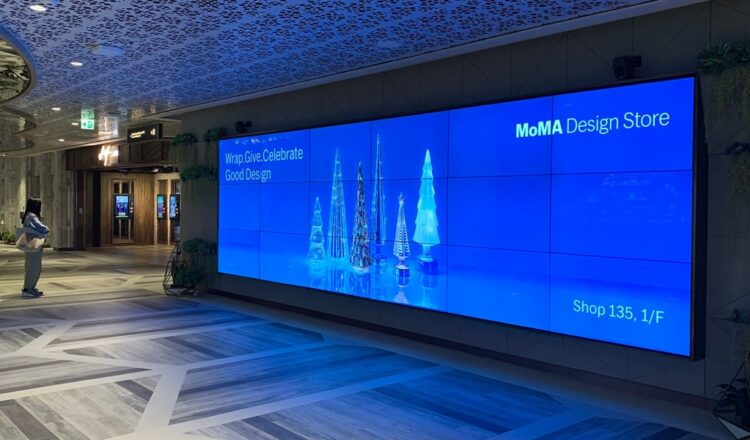 spintax ### Boosting Engagement By Intentional Information Administration
Within today's high-speed shopping industry, effective content management remains vital to boosting customer interaction using virtual displays. Companies should prioritize producing dynamic information that resonates with the customers. It starts with comprehending one's target audience as well as their preferences, ensuring the fact that the exhibited data is both applicable and captivating. Customizing the messages and using lively graphics might capture interest, promoting engagement along with encouraging foot traffic.
Implementing a strong content management system enables smooth modifications as well as scheduling for content across various locations. Such platforms allow for immediate changes, allowing shops to react quickly to consumer trends or regional occurrences. By streamlining media changes through instant API updates, organizations are able to offer current deals and custom offers that strengthen customer connection. Consistently reviewing analytics offered by the CMS can further assist refine tactics, enabling to achieve regular improvement in media effectiveness.
Along with engaging graphics, strategic positioning of monitors has a crucial part in boosting interaction. Screen Field Notes need to emphasize eye-catching designs along with motion graphics that narrate a story, while calmer spaces may utilize enlightening information, like how-tos and service highlights. Through customizing media according to geography as well as audience behavior, organizations might ensure that their digital signage both draws interest as well converts interest into actual purchases, resulting in significant return on investment.